

What if the first eyes on a crisis scene weren’t human—but autonomous, airborne, and instantly responsive? The rise of the Drone as First Responder (DFR) model is transforming how law enforcement responds to emergencies, offering a faster, safer, and more informed approach to public safety.
DFR programs allow police departments to launch drones immediately in response to 911 calls, often arriving on scene in under three minutes—well before ground units. This real-time aerial perspective helps officers assess threats, locate victims, and reduce unnecessary escalation.
According to the Chula Vista Police Department—one of the pioneers in DFR operations—drones were first on scene in over 6,200 incidents in 2022, with many situations resolved without the need to dispatch ground patrols. Police Chief Roxana Kennedy shares that drones “make all the difference,” when it comes to citizen and officer safety, especially in cases involving mental health or suspicious activity.
The operational advantages of DFR programs are clear:
As public safety agencies nationwide evaluate the future of incident response, DFR is emerging as a critical tool in the evolving law enforcement toolkit. However, successful deployment depends on advanced technology infrastructure—including FAA approvals for beyond visual line of sight (BVLOS), reliable communications, and all-weather radar systems.
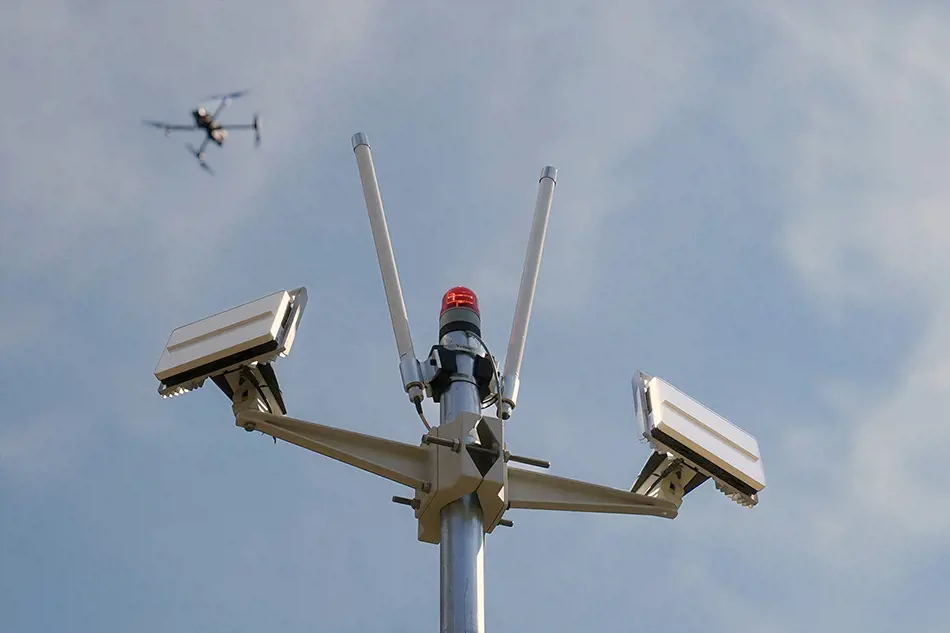
Here’s why MESA radar is trusted by leading DFR drone and systems providers:
To hear more from industry leaders about how law enforcement is using drones as tools, watch the LinkedIn Live replay hosted by David Lewin: LinkedIn LIVE: Drone Responders - How Law Enforcement Drones Save Lives | LinkedIn

